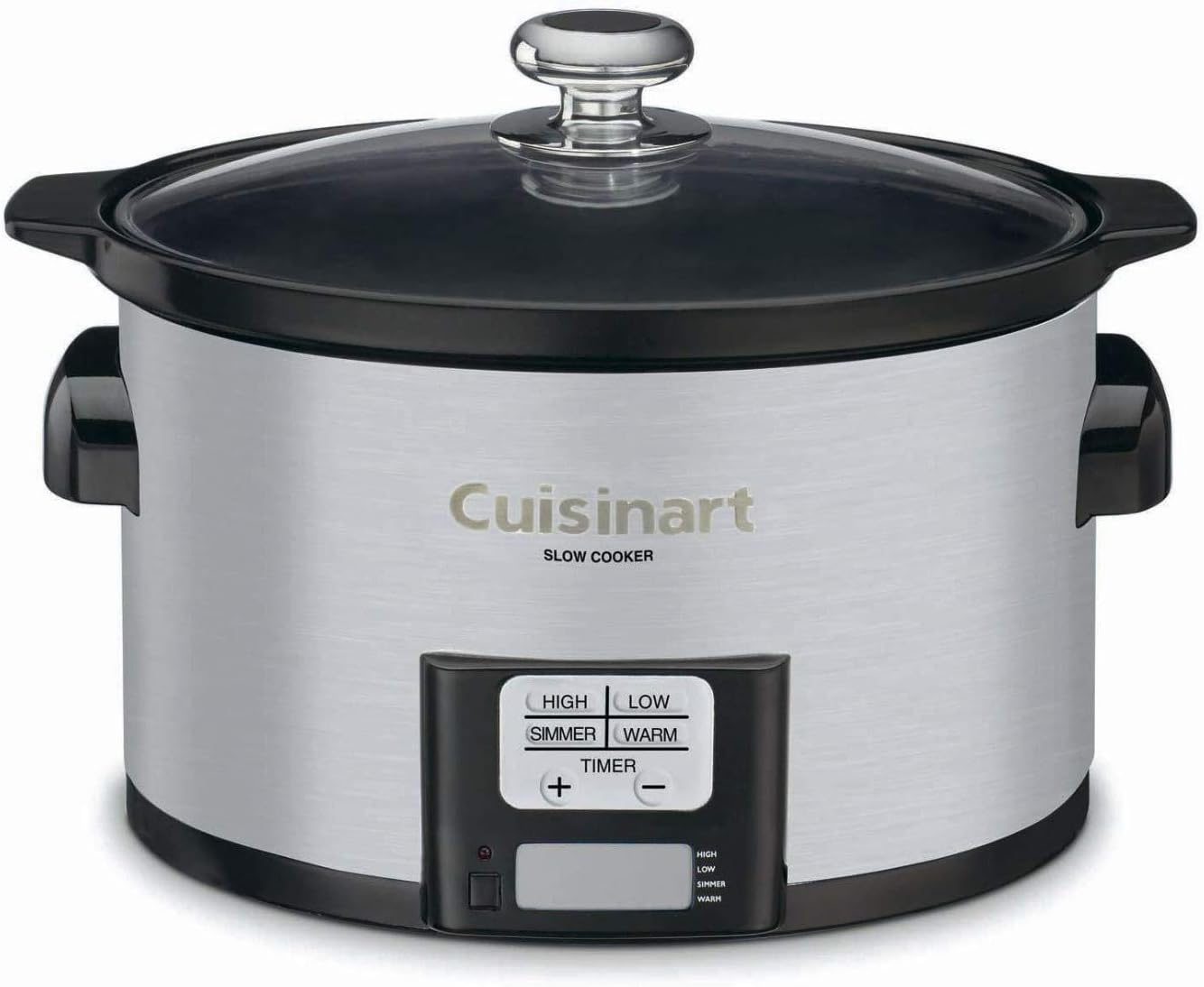
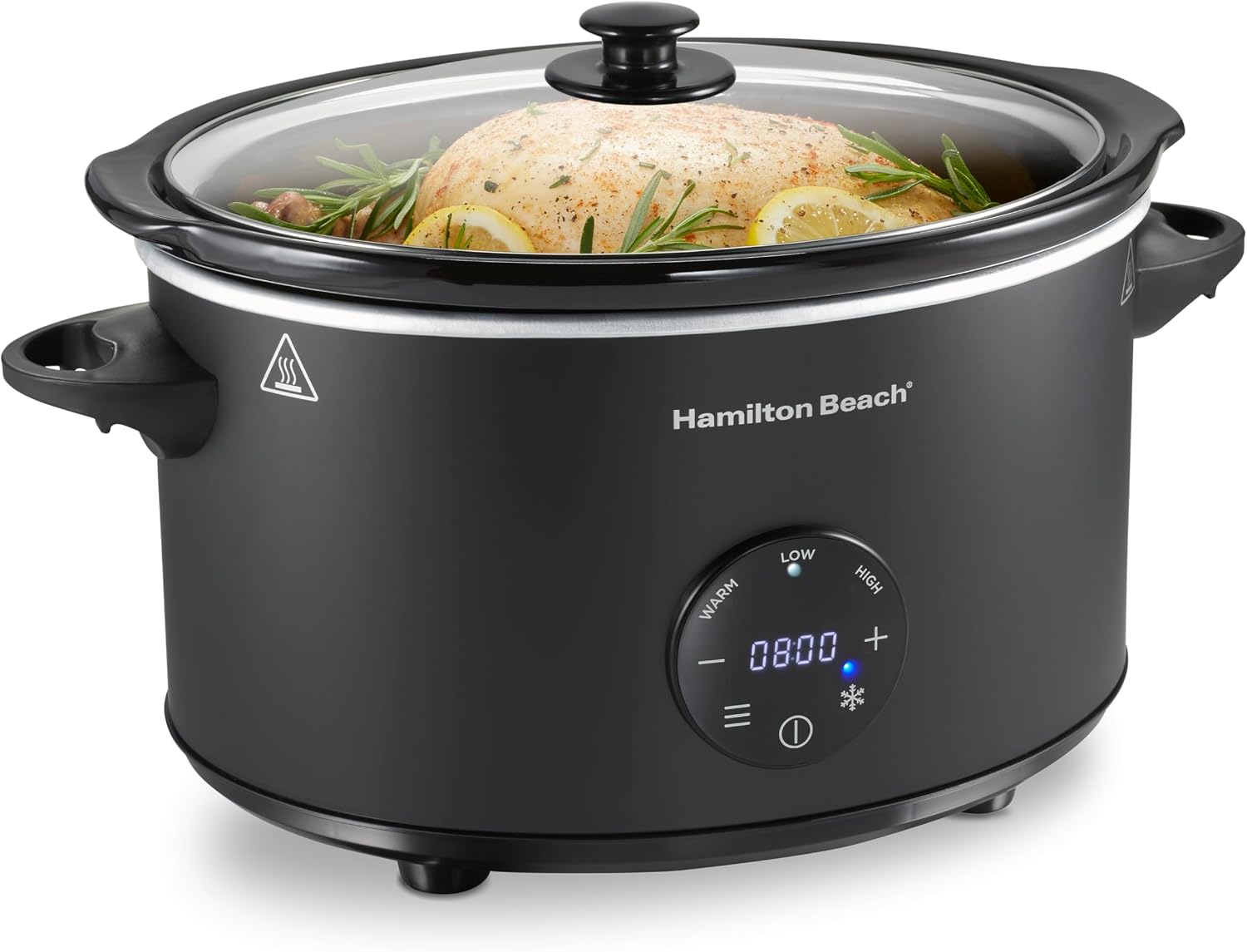
We love it. It is an ideal size for small recipes for 1-2 people, with limited left overs depending on how much you eat, fill your plate or just 1/3 your plate with other sides like a veggie & potatoes or roll. But it doesn't fit everything that you would want to make. Realistically you will likely need both a 3.5 and 5 quart crock pots to select based on the size of the recipe. We still use this 3.5qt most for 2 of us, but have on occasion found it filled too quickly and switched over to the 5qt. Remember, any crock pot should only be filled to 2/3, not the top that is shown in all pictures on any box. We had started with a lot of veggies and potatoes and found we were already at 2/3 on this 3.5qt before we could even add the meat, so we switched to the 5qt. But then you do not want to always use a 5qt either, because you do not want too little in. So we end up using this 3.5qt most for the 2 of us, but have to occasionally use 5qt. The 3.5qt pot is easier to clean because it is smaller and weighs less than the 5qt.
The construction and quality of this pot seem very good to us. The lid is standard thickness for crock pots, and there doesn't seem to be any need for it to be heavier while it is cooking. It does build up condensed water around the ring of the lid and bubbles out during cooking as it continually pushed out steam. The 4 settings seem to give you plenty of flexibility, but we use low for most, and the automatic switch to warming mode is nice. The recipe book was actually nice compared to a Crock Pot brand 5qt (that we also like) that claimed a recipe book, but really only added a few pages at the pack of its manual. This one is a nice spiral bound book, but no pictures.
We couldn't always just set it and forget it, or just follow the exact time on the recipe. You really have to experiment to find the ideal cooking time for you. We found our recipes are done earlier than the usual 8 hours stated in our recipes, and ended up getting overcooked. So you make it once, realize it is dryer or veggies are overcooked, so you reduce the time next time. So the meals weren't perfect the first time we did any recipe so far, but were better the second time around when we made cooking time adjustments. For example, the first meal shown in the video was overdone, apples overcooked, and meat was a bit tough, which I think you can see in the video. So next time, just cook it less. For some meats, you really should test with a probe thermometer to ensure it is safely cooked, but hopefully only to confirm it is done, not to check frequently because you have to add cooking time every time you remove the lid. For the second meal shown in the video (pulled pork), it too cooked longer than needed the first time, and was better the second time when we checked the temperature earlier and confirmed done earlier. The best success we had with this was making pulled pork. Btw, I skipped showing the steps testing the meat temperature, adding the BBQ sauce, and using a fork to shred the pork.





Tiger –
Lynnie –
Eliza Barrón –
John Bruno –
JMHO-NH –
Fred –
Tibby Wroten –
TeacherAmy –
ElbowsUpCanada –
archana das –
Cheryl S. –
daniella –
Eduardo Bravo –